
The volatility going on in the market feels bad. Bear Markets are awful. It feels even worse because of the source of unpredictability – this isn’t driven by some trend in the economy, it’s driven by the constant changes the administration and DOGE are forcing on the country’s ongoing life. It makes it feel like this time is different, even though it probably isn’t for most of us. While I could complain about this for paragraphs, I won’t. You didn’t come here for another doom and gloom article, you came here to figure out what you can do.
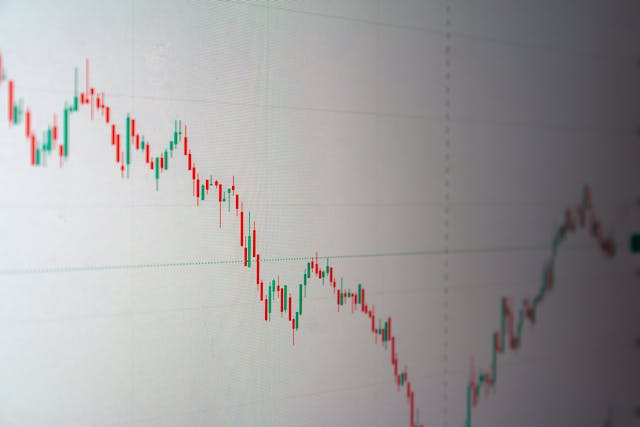
The biggest positive steps you can take during a bear market come from two places – intentionally recognizing losses in taxable portfolios and systematically buying more of your down investments.
Gains and Losses
Let’s talk capital gains and capital losses. When you sell an investment for a gain you pay capital gains tax. If you held the investment for at least a year, this is a reduced amount, but it still does show up on your tax return. If you sell an investment at a loss you can use the loss to offset any other gains you got during the year. You can also use losses up to $3,000 that aren’t offset by gains.
So how does this play out in a down market? Well, you identify the assets you have that are down from when you purchased them. You also identify the maximum gains you can recognize in a year. You make those two sales match within $3,000 of losses. And that’s how it works. You have effectively sold the gains tax free. The last part, which is very important, is to reinvest the losses in a substantially different investment. This prevents a wash sale, which can erase all of your losses.
If you have questions about how to do this properly, I would absolutely contact a financial planner or tax advisor of some sort. Doing anything wrong when it comes to wash sales can turn a great situation into a big tax bill!
Buying Low
The other option when the market is down is simply to buy more of the depressed investment categories. Purchasing investments that will eventually rebound when they are worth less is a great way to get return. This does require two conditions are met. The first is that you have the funds to buy something. The second condition is that you buy something that will rebound eventually. We can’t guarantee future market performance anywhere, but you can increase your chances by purchasing diversified assets instead of just purchasing individual stocks.
A simple way that all my client portfolios buy depressed assets is via rebalancing. Rebalancing algorithms look at the percentage of your portfolio in one particular asset class and compares it to what it’s supposed to be. If it declines significantly, thereby having a lower percentage of the portfolio than you initially set, the algorithm will sell something that didn’t decline (or declined much less) and purchase more of the down investment to bring the portfolio back into line. I use a tolerance band strategy for this. It accomplishes everything we discussed about buying down investments without needing additional cash to buy into the market.
That last part is important. It’s often hard to get your hands on cash during a down market without feeling like you’re taking a huge risk. After all, the economic and the market cycles are often closely linked. If you’re fearing for your job, that’s the exact time we would want you to have extra cash!
I hope this post helped give you a sense of what you can do during these crazy times. There’s a lot going on around us and change seems constant. Hopefully in ten years we are all looking back on this time with the benefit of hindsight and growth. Or maybe we will be next week, given the back and forth.